
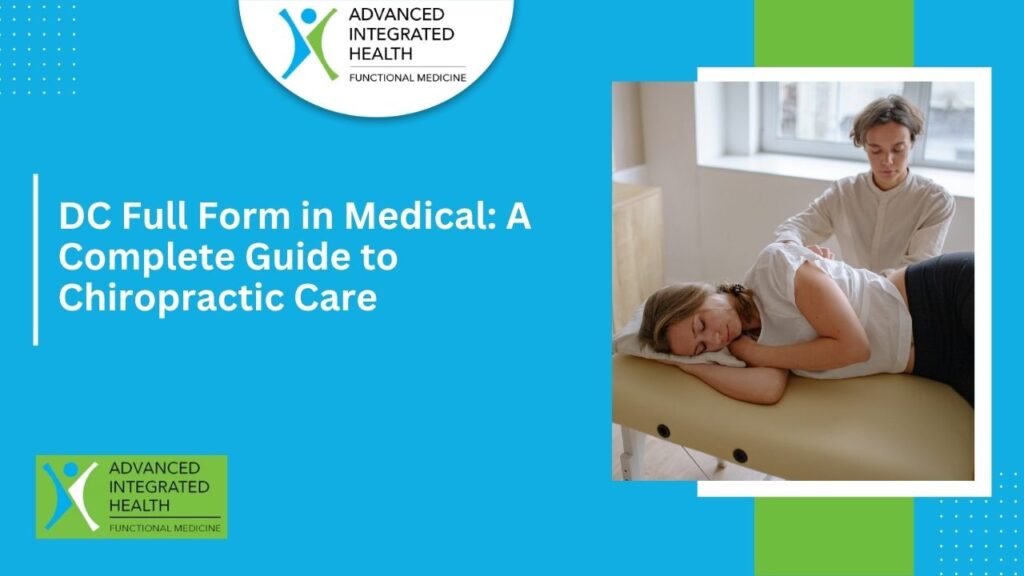
You might have seen the letters “DC” after a healthcare provider’s name and wondered what they mean. Is it a medical doctor? A specialist? Something else entirely? If you’re asking what does DC mean in medical terms, the most common and important answer is: DC stands for Doctor of Chiropractic. In this guide, we’ll break down exactly what a DC is, what they do, how they’re trained, and how chiropractic care fits into modern healthcare. Stay tuned!
What Does DC Mean in Medical Terms?
The DC full form in medicine is Doctor of Chiropractic. Chiropractic care began in the late 19th century, when practitioners started exploring how spinal alignment affects overall health. The core idea was simple but powerful: the spine plays a central role in protecting the nervous system, which controls nearly every function in the body.
A Doctor of Chiropractic (DC) is a licensed healthcare professional who specializes in treating musculoskeletal conditions, especially those affecting the spine.You’ll typically see the credential written like this: Jane Smith, DC
Unlike medical doctors (MDs) or doctors of osteopathy (DOs), DCs do not prescribe medication or perform surgery. Instead, they focus on hands-on treatment methods designed to:
- Improve spinal alignment
- Reduce joint restriction
- Relieve pain
- Support nervous system function
- Enhance overall mobility
The key thing to understand is this:
A DC is a doctor-level trained professional, but their training and scope of practice are centered on conservative, non-surgical, drug-free treatment.
Education, Training & Licensing of a Doctor of Chiropractic
Many people ask: “Are chiropractors real doctors?” The answer depends on what you mean by “doctor.” A DC earns a doctoral-level degree in chiropractic from an accredited chiropractic college. The path typically includes:
Undergraduate Education
Before entering chiropractic school, students complete pre-med style coursework in subjects like:
- Biology
- Chemistry
- Physics
- Anatomy
- Physiology
Chiropractic Doctoral Program
Chiropractic school usually takes about four years. Students study:
- Advanced anatomy
- Neurology
- Orthopedics
- Radiology
- Diagnostic imaging
- Spinal biomechanics
- Clinical nutrition
- Rehabilitation techniques
- Hands-on adjustment methods
Clinical training is a major part of the program. Students treat real patients under supervision before graduating.
Board Exams & Licensure
After completing their degree, graduates must:
- Pass national board examinations
- Obtain state licensure
- Complete continuing education regularly
Licensure ensures they meet professional standards and stay updated with current practices.
What Conditions Do Chiropractors Treat?
Chiropractors primarily treat issues involving:
- The spine
- Joints
- Muscles
- Connective tissues
Some of the most common conditions include:
Low Back Pain
One of the most evidence-supported uses of chiropractic care.
Neck Pain
Often related to posture, computer use, or injury.
Tension Headaches & Cervicogenic Headaches
These are headaches originating from neck dysfunction.
Sciatica
Sciatica is a pain that travels down the leg due to nerve irritation.
Joint Pain & Mobility Issues
Shoulders, hips, knees, and wrists can all benefit from certain techniques.
Chiropractors may use:
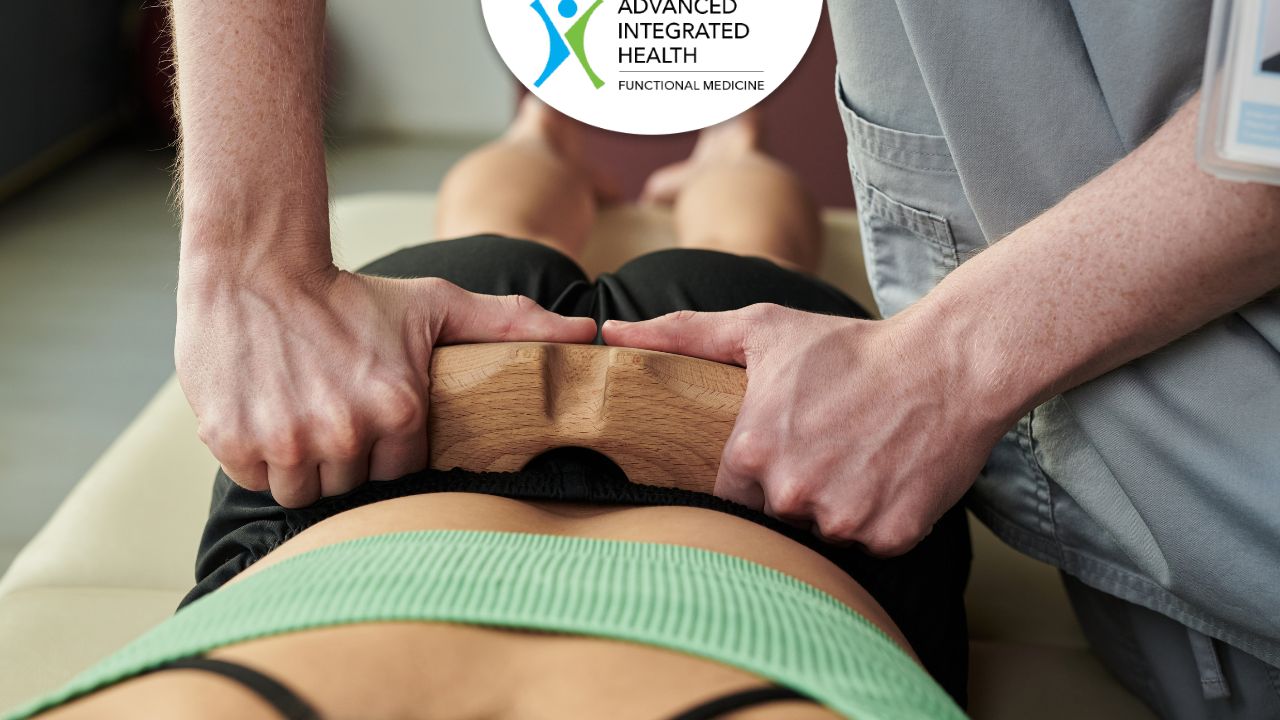
- Spinal adjustments (also called spinal manipulation)
- Joint mobilization
- Soft tissue therapy
- Stretching and strengthening exercises
- Postural correction advice
- Lifestyle recommendations
Many chiropractors now take an integrative approach, combining manual therapy with rehabilitation exercises and ergonomic guidance.
What to Expect During a Chiropractic Visit
If you’ve never been to a chiropractor before, it’s completely normal to feel unsure about what will happen.
Here’s a general idea:
Initial Visit
The first appointment usually includes:
- A detailed health history
- Discussion of symptoms
- Physical examination
- Postural assessment
- Orthopaedic and neurological testing
In some cases, imaging like X-rays may be recommended if clinically appropriate.
Treatment
If chiropractic care is appropriate, treatment may involve:
- Gentle spinal adjustments
- Manual therapy
- Stretching techniques
- Exercise recommendations
Some patients also find that pairing chiropractic treatment with salt therapy sessions at wellness centres like Salt Cave Paradise helps accelerate recovery and deepen the relaxation response between appointments.
Most adjustments are quick and controlled. Some produce a popping sound, which is simply gas releasing from a joint, not bones cracking.

Safety
Chiropractic care is generally considered safe when performed by a licensed professional. However, like any healthcare treatment, it may not be appropriate for certain individuals, such as those with severe osteoporosis or certain vascular conditions. A good chiropractor will always review your health history carefully before beginning treatment.DC vs MD vs DO vs PT: What’s the Difference?
Healthcare titles can feel confusing. If you’ve seen “DC” alongside MD, DO, or PT, here’s a simple breakdown to help you understand who does what.
Doctor of Chiropractic (DC): Focuses on the spine and joints. Uses adjustments and rehab. No meds or surgery. Best for back and neck pain.
Medical Doctor (MD): Provides full-body care. Uses meds, diagnostics, and surgery. Best for infections and chronic disease.
Doctor of Osteopathy (DO): Similar to MDs but adds manual musculoskeletal training. Fully licensed for meds and surgery.
Physical Therapist (PT): Focuses on movement and recovery. Uses guided exercise and mobility training. Best for post-surgical rehab.
So, Who Should You See?
- Sudden severe symptoms, illness, or complex medical concerns: MD or DO
- Chronic back or neck pain without red flags: DC or PT
- Post-surgical recovery: PT (sometimes coordinated with MD or DC)
In many cases, these providers collaborate. Chiropractic care often works best as part of a coordinated health plan. For patients in central New Jersey who want that coordination to include root-cause care, a Functional Medicine Doctor in Somerset County can round out the picture.
Common Misconceptions About Chiropractors
There’s a lot of misinformation about chiropractic care. Let’s clear up a few common myths.
Myth 1: Not “Real” Doctors.
Reality: Chiropractors earn doctoral degrees (DC), pass board exams, and hold state licenses as healthcare professionals.
Myth 2: Adjustments Are Dangerous.
Reality: Spinal manipulation is safe when performed by licensed pros. Minor soreness is the most common side effect.
Myth 3: Chiropractic Only Treats Back Pain
Reality: DCs treat necks, headaches, joints, and sports injuries. Many offer rehab and lifestyle advice.
Myth 4: Once You Start, You Have to Go Forever
Reality: Care depends on your goals. Some choose quick relief; others want maintenance. You always decide the duration.
Frequently Asked Questions
What kind of training does a DC have?
A DC completes an undergraduate degree followed by a four-year doctoral program, national board exams, and state licensure.
Is chiropractic care covered by insurance?
Many employer and government plans cover chiropractic care. Always verify specific coverage with your provider. Patients in northwestern New Jersey can also ask a Functional Medicine Doctor in Sussex County about coverage for a wider, whole-body care plan.
Is chiropractic care safe?
Chiropractic care is safe for most people when performed by a licensed professional. A proper clinical evaluation ensures it fits your specific health needs.
Final Thoughts
The DC full form in medical stands for Doctor of Chiropractic. DC is a licensed healthcare professional focused on helping patients improve spinal health, mobility, and overall function through non-surgical, drug-free care.
If you’ve been experiencing back pain, neck discomfort, headaches, or posture-related issues, chiropractic care may be a supportive next step. If you’re ready to explore your options, consider reaching out to AIH to learn how chiropractic care can help you move and feel your best. Those in the area can also connect with a Functional Medicine Doctor in Warren County for a root-cause approach alongside chiropractic care.

Dr. Bob was born and raised in Florham Park, New Jersey.
He loved the philosophy of vitalism, which teaches about the incredible, innate intelligence of our bodies and its power to self-heal when given the opportunity.