
Low HRV scores on fitness trackers persist despite regular exercise and stress management efforts. Higher heart rate variability indicates better cardiovascular health and recovery time, but determining which interventions actually work versus when medical attention is needed remains unclear.
Heart rate variability improves through interventions that enhance vagal tone and parasympathetic nervous system activity. Breathing exercises at resonance frequency (6 breaths/minute), biofeedback training, sleep quality optimization, aerobic exercise, meditation, and hydration significantly increase HRV.
This article explains how HRV reflects autonomic balance, seven evidence-based methods with specific protocols, age-adjusted norms for interpretation, supplement research quality, and when low HRV requires cardiology consultation.
Why Is My HRV So Low If I’m Healthy?
Many factors beyond fitness affect HRV. Heart rate variability measures time variation between heartbeats, reflecting autonomic nervous system balance between the sympathetic nervous system (stress response) and the parasympathetic nervous system (recovery state). Higher HRV indicates greater vagal tone and autonomic flexibility.
Even healthy individuals experience low HRV from inadequate sleep quality or sleep deprivation, chronic stress without recovery, dehydration affecting blood volume, overtraining without rest and recovery, alcohol consumption suppressing parasympathetic activity, poor nutrition or electrolyte balance, and natural aging reducing vagal tone. Because so many overlapping factors are involved, a functional medicine doctor in Hudson County can help untangle which ones are driving a persistently low reading.
According to the Cleveland Clinic, HRV naturally decreases with age as parasympathetic function declines. Genetic factors, resting heart rate, and individual autonomic responsiveness also create significant variability between people.
Temporary decreases don’t indicate poor health. Recent illness, intense training, inadequate hydration, elevated stress, or disrupted sleep patterns temporarily lower HRV but recover within days once addressed.
HRV Norms by Age (What’s Good for Your Age)
HRV declines naturally with age as autonomic function decreases. Age-adjusted norms provide context for interpretation.
| Age Range | Average HRV (RMSSD) | Good Range | Excellent Range |
| 20-29 | 55-105 ms | 60-100+ ms | 75-125+ ms |
| 30-39 | 45-90 ms | 55-85 ms | 70-100+ ms |
| 40-49 | 35-75 ms | 45-70 ms | 60-85+ ms |
| 50-59 | 25-55 ms | 35-60 ms | 50-75+ ms |
| 60-69 | 20-45 ms | 30-50 ms | 45-70+ ms |
| 70+ | 15-35 ms | 25-45 ms | 40-60+ ms |
According to Polar fitness research, individual baseline matters more than population averages. Track personal HRV over 2-4 weeks to establish a baseline, then monitor trends rather than comparing to others.
Gender differences exist, with men showing 10-15% higher HRV than women in the same age group. Aerobic fitness significantly influences HRV independent of age, with trained athletes showing values 20-40% higher than sedentary individuals.
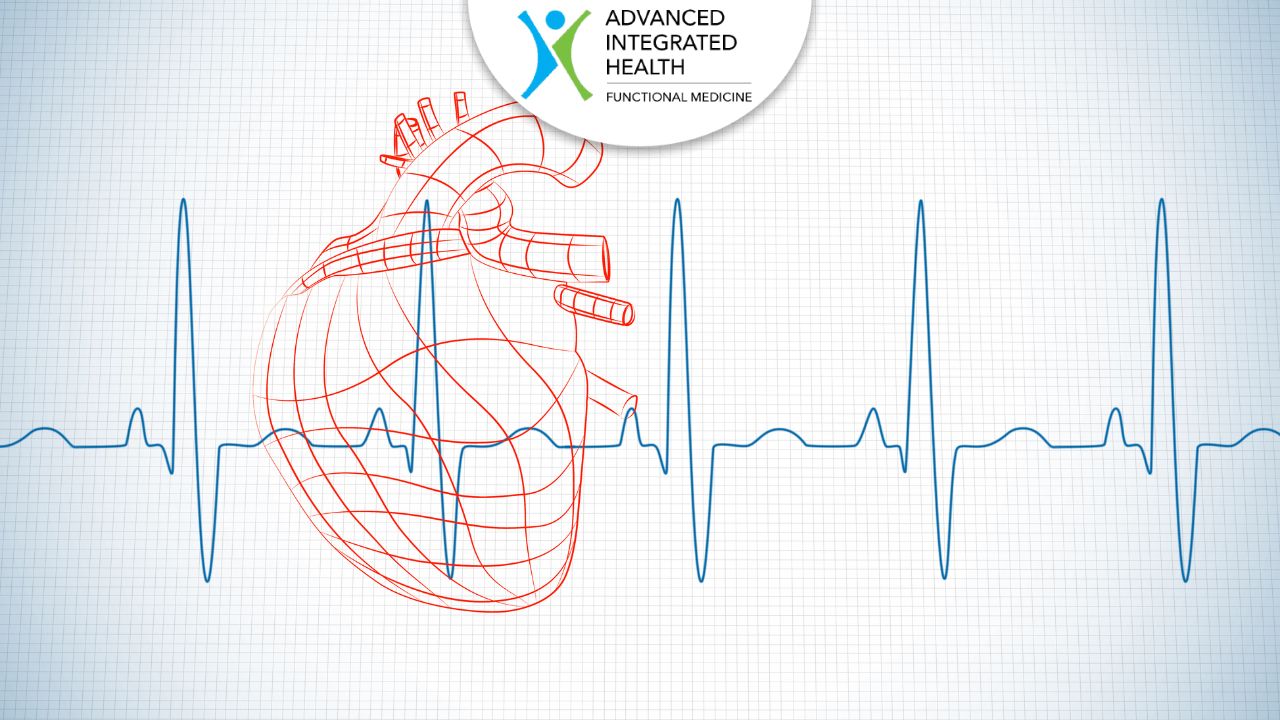
7 Evidence-Based Methods to Improve HRV
Improving HRV requires consistent interventions targeting parasympathetic activation and vagal tone enhancement. These methods work through different mechanisms but synergize when combined for maximum autonomic nervous system balance.
1. Resonance Frequency Breathing
Breathing exercises at 6 breaths per minute (5-second inhale, 5-second exhale) provide the fastest HRV improvement. Research shows this pattern optimally stimulates vagal tone and parasympathetic activation.
Protocol: Practice 10-20 minutes daily, use guided apps or a metronome for pacing; ideal timing is morning or before sleep. Biofeedback devices displaying real-time HRV help optimize individual resonance frequency (5.5-6.5 breaths/minute). Within 2-3 weeks of daily practice, most see 10-20% baseline improvement.
2. Biofeedback Training and HRV Monitoring
Biofeedback training combines HRV tracking technology with relaxation techniques to teach conscious autonomic nervous system control. Research from Nature demonstrates HRV biofeedback significantly improves cardiovascular health markers.
HRV tracking devices and wearable technology provide real-time feedback showing how breathing exercises, mental state, and activity affect HRV. Training protocols involve 15-30 minute sessions 3-5 times weekly. Most effective when combined with breathing techniques, meditation, or progressive muscle relaxation.
3. Sleep Quality Optimization
Sleep quality directly impacts HRV recovery. Research confirms that adequate sleep (7-9 hours) allows parasympathetic nervous system dominance needed for HRV restoration.
Key strategies: Maintain a consistent sleep schedule, create a dark, cool environment (65-68°F), limit screens 60-90 minutes before bed, avoid caffeine intake after 2 PM, reduce alcohol consumption within 3 hours of sleep, and consider magnesium intake (300-400mg) before bed. Track HRV upon waking as a sleep quality indicator.
4. Aerobic Exercise (Avoid Overtraining)
Aerobic exercise improves HRV through enhanced cardiovascular health and vagal tone. Moderate aerobic fitness training (60-75% max heart rate) produces the greatest improvements. Interval training mixing moderate and high-intensity also enhances adaptation.
Optimal protocol: 150 minutes weekly aerobic activity (walking, cycling, swimming), strength training 2-3 sessions weekly, yoga or tai chi 2-3 times weekly. Monitor HRV to guide intensity. Low HRV days signal need for recovery, not hard training. Overtraining suppresses HRV despite rest.
5. Stress Management and Mindfulness
Chronic stress suppresses parasympathetic nervous system activity and reduces HRV, which is why a functional medicine doctor in Hunterdon County often treats unresolved stress as a root cause when HRV stays low. Meditation and mindfulness practices consistently improve HRV by increasing vagal tone and resilience.
Effective techniques: Mindfulness meditation 10-20 minutes daily, progressive muscle relaxation, yoga combining movement and breath, massage therapy promoting parasympathetic activation, social connections, journaling for emotional regulation. Resilience training teaches stress reappraisal, maintaining HRV under pressure.
6. Hydration and Electrolyte Balance
Hydration significantly affects HRV through blood volume and autonomic nervous system regulation. Dehydration reduces HRV by increasing sympathetic nervous system activity and stress response.
Guidelines: Drink half body weight (pounds) in ounces daily, monitor urine color (pale yellow indicates adequate), increase intake during exercise, heat, or altitude, consider electrolyte balance supplementation during intense activity. Morning HRV often reflects the previous day’s hydration status.
7. Cold Exposure
Cold exposure creates controlled stress, enhancing autonomic nervous system adaptability and vagal tone through the hormetic stress response. Protocols include cold showers (30-90 seconds at shower end), ice baths (10-15 minutes at 50-59°F), or outdoor cold exposure.
Cold exposure activates the parasympathetic nervous system rebound following the initial sympathetic response, training autonomic flexibility. Combined with breathing exercises, the effects amplify. Start gradually with 30-second cold endings and progress slowly.
Supplements for HRV: Evidence Quality Review
Supplement research shows mixed results. Here’s evidence quality for commonly marketed supplements:
| Supplement | Evidence Quality | Typical Dosage | Mechanism |
| Omega-3 fatty acids | Strong (multiple RCTs) | 1-2g EPA/DHA daily | Reduces inflammation, supports cardiovascular health, and vagal tone |
| Magnesium | Moderate (some trials) | 300-400mg daily | Electrolyte balance, parasympathetic nervous system support |
| Vitamin B12 | Limited | 500-1000mcg daily | Supports nerve function, including the vagus nerve |
| CoQ10 | Limited (cardiac patients) | 100-200mg daily | Cellular energy, cardiovascular health |
| Adaptogens | Limited (mixed results) | Varies | Stress management, cortisol regulation |
| Probiotics | Emerging (preliminary) | Varies | Gut-brain axis via vagus nerve |
According to Healthline supplement review, omega-3 fatty acids show the strongest evidence for HRV improvement. Supplements should complement, not replace, lifestyle interventions. Focus on breathing, sleep, exercise, and stress management first.
Consult a healthcare provider or a functional medicine doctor in Mercer County before starting supplements, especially with existing medications or cardiovascular conditions.
Cardiology Perspective: When HRV Matters Clinically
Cardiology perspectives on HRV vary. Heart rate variability has established predictive value for certain cardiac conditions, but isn’t routinely used in standard practice. Research shows reduced HRV predicts mortality in post-heart attack patients and correlates with heart failure severity. Cardiologists use HRV in these specific populations for risk stratification.
For general population screening, cardiologists consider traditional markers (blood pressure, cholesterol, resting heart rate) more clinically validated than consumer HRV tracking devices.
When cardiologists monitor HRV:
- Post-heart attack recovery assessment
- Heart failure management and prognosis
- Arrhythmia risk evaluation
- Autonomic nervous system dysfunction diagnosis
- Diabetic autonomic neuropathy screening
Consumer wearable technology HRV data can supplement clinical assessment, but shouldn’t replace medical evaluation for cardiovascular health concerns.
When HRV Gets Dangerously Low (Medical Red Flags)
While low HRV indicates reduced autonomic nervous system flexibility, specific dangerous thresholds vary individually. However, certain patterns require medical evaluation.
Medical attention warranted:
- HRV consistently below 20ms despite lifestyle changes and recovery time
- Rapidly declining HRV over days/weeks without an obvious cause
- Low HRV with chest pain, severe fatigue, or dizziness
- HRV changes with new medications or health conditions
- Low HRV with heart palpitations or irregular heartbeat
- Unexplained reduction despite improved sleep, exercise, and stress management
Very low HRV (below 15ms RMSSD) may indicate severe autonomic dysfunction, advanced heart disease requiring evaluation, diabetic autonomic neuropathy, chronic inflammation affecting cardiac autonomic control, or medication side effects.
Cleveland Clinic notes HRV is one indicator among many. Focus on trends, not single measurements. Declining trends despite lifestyle optimization warrant cardiology consultation.
Tracking Progress and Timeline Expectations
HRV improvements follow predictable timelines depending on intervention consistency:
| Intervention | Initial Changes | Sustained Improvement |
| Breathing exercises | Immediate during practice; Baseline increase in 1–2 weeks | 10–20% improvement by 4–6 weeks with daily practice |
| Sleep quality optimization | 3–7 days of improved sleep | 2–4 weeks for consistent HRV increase |
| Aerobic exercise program | 2–3 weeks initial adaptation | 8–12 weeks for significant gains (15–30%) |
| Stress management/meditation | 2–4 weeks of consistent practice | 6–8 weeks for measurable baseline shift |
| Hydration improvement | 24–48 hours | 1–2 weeks for stabilization |
| Reduced alcohol consumption | 2–5 days after reducing intake | 2–3 weeks for HRV normalization |
Track HRV consistently (same time daily, ideally morning) to establish a baseline and monitor trends. Week-to-week averages matter more than day-to-day fluctuations. Expect 10-30% HRV improvement over 8-12 weeks with a consistent multi-intervention approach. Individual response varies based on starting fitness, age, and adherence.
Frequently Asked Questions
How do I increase my heart rate variability?
Practice resonance frequency breathing at 6 breaths per minute for 10-20 minutes daily. Optimize sleep quality with 7-9 hours nightly, maintain consistent aerobic exercise (150 minutes weekly), practice meditation or mindfulness, stay well-hydrated, and reduce alcohol consumption. Combine multiple interventions for 10-30% improvement over 8-12 weeks.
Why is my HRV so low if I’m healthy?
Low HRV despite good fitness often results from inadequate sleep quality, chronic stress without recovery, dehydration, overtraining, alcohol consumption, or natural aging. Autonomic nervous system function declines with age. Genetic factors, recent illness, intense training, or disrupted sleep also temporarily lower HRV but recover within days.
What is a good HRV for my age?
Good HRV varies by age: 20s (60-100+ ms), 30s (55-85 ms), 40s (45-70 ms), 50s (35-60 ms), 60s (30-50 ms), 70+ (25-45 ms). Individual baseline matters more than population averages. Track personal HRV over 2-4 weeks to establish a baseline, then monitor trends rather than comparing to others.
Do cardiologists care about HRV?
Cardiologists use HRV for specific cardiac populations (post-heart attack recovery, heart failure management, arrhythmia risk, autonomic dysfunction diagnosis) but not routine general screening. Traditional markers (blood pressure, cholesterol, resting heart rate) are more clinically validated. Consumer HRV tracking devices supplement but don’t replace medical evaluation.
Can HRV get dangerously low?
Yes. HRV consistently below 15-20ms RMSSD, rapidly declining HRV over days/weeks, or low HRV with chest pain, severe fatigue, dizziness, or palpitations requires medical evaluation. Very low HRV may indicate severe autonomic dysfunction, advanced heart disease, diabetic neuropathy, or medication side effects requiring cardiology consultation.
What is the best supplement to improve HRV?
Omega-3 fatty acids show the strongest evidence (1-2g EPA/DHA daily) for HRV improvement through reduced inflammation and enhanced cardiovascular health. Magnesium (300-400mg daily) has moderate evidence. Other supplements (B12, CoQ10, adaptogens, probiotics) have limited research. Supplements should complement, not replace, breathing exercises, sleep, and exercise.
How long does it take to improve HRV?
Resonance frequency breathing shows immediate effects during practice, with baseline increases in 1-2 weeks. Sleep quality optimization shows results in 3-7 days. Aerobic exercise programs require 2-3 weeks for initial adaptation and 8-12 weeks for significant 15-30% gains. Expect 10-30% overall improvement over 8-12 weeks with a consistent multi-intervention approach.
Does alcohol lower HRV?
Yes, significantly. Alcohol consumption suppresses parasympathetic nervous system activity and lowers HRV for 2-5 days after intake. Even moderate drinking disrupts sleep architecture and autonomic function. Chronic alcohol use persistently reduces HRV. Reducing or eliminating alcohol typically shows HRV improvement within 2-3 weeks.
Wrapping Up
Heart rate variability improves through seven evidence-based interventions: resonance frequency breathing at 6 breaths per minute, biofeedback training, sleep optimization (7-9 hours), aerobic exercise (150 minutes weekly), stress management practices, proper hydration, and cold exposure.
Most individuals achieve 10-30% HRV improvement over 8-12 weeks with a consistent multi-intervention approach. Age-adjusted norms help interpret personal HRV, though individual baseline and trends matter more than population comparisons.
Omega-3 fatty acids show the strongest evidence, while lifestyle interventions remain primary. Consult cardiology for HRV consistently below 15-20ms or declining trends despite optimization.
Citations:
- https://kueng.swiss/en/magazine/heart-rate-variability-improve
- https://pmc.ncbi.nlm.nih.gov/articles/PMC2903986/
- https://my.clevelandclinic.org/health/symptoms/21773-heart-rate-variability-hrv
- https://www.sbphysio.com/blog/blog/how-to-improve-hrv
- https://blog.ultrahuman.com/blog/how-to-improve-your-hrv-heart-rate-variability-12-ways/
- https://cardiomatics.com/what-is-heart-rate-variability-and-how-can-it-be-used-to-improve-performance/
- https://www.sciencedirect.com/science/article/pii/S0010440X22000530
- https://elitehrv.com/how-to-improve-heart-rate-variability-hrv
- https://pmc.ncbi.nlm.nih.gov/articles/PMC5316555/
- https://www.polar.com/en/guide/my-hrv-is-very-low
- https://pmc.ncbi.nlm.nih.gov/articles/PMC10412682/
- https://www.nature.com/articles/s41598-025-87729-7
- https://www.healthline.com/health/heart-health/how-to-improve-hrv

Dr. Bob was born and raised in Florham Park, New Jersey.
He loved the philosophy of vitalism, which teaches about the incredible, innate intelligence of our bodies and its power to self-heal when given the opportunity.