
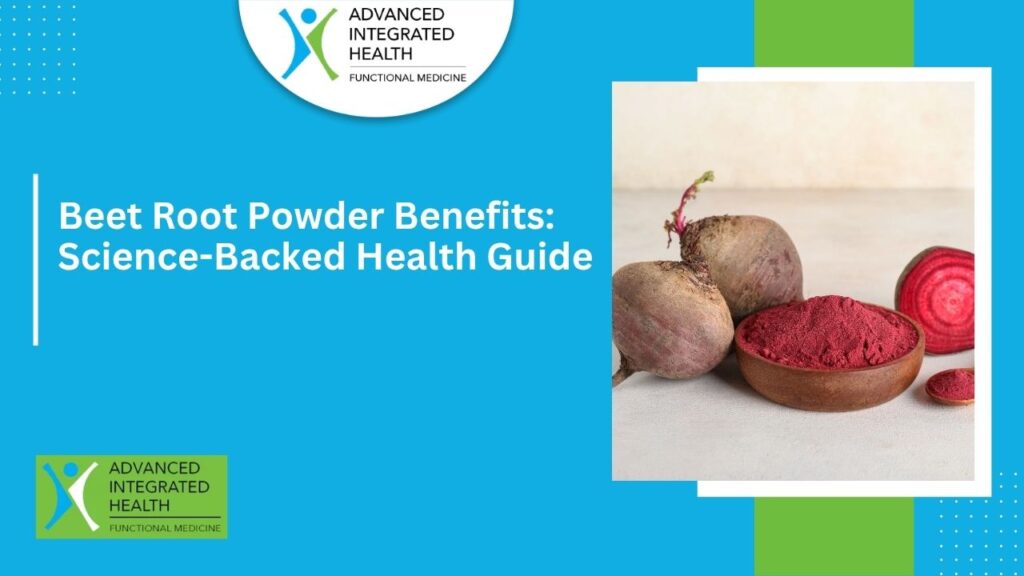
Have you ever noticed the vibrant red powder sitting on the shelves of your local health store? Do you wonder why so many athletes are drinking bright pink smoothies lately? Is it just another passing trend? Or does beetroot powder actually live up to the hype? The truth is that beets are more than just a colorful root vegetable. They are a functional superfood with deep roots in medical science. For centuries, people used them for general health. Today, we have the data to prove why they work. Throughout this guide, we will explore all the benefits of beetroot powder and why adding it to your daily routine could be a game-changer. So, let’s get started!
Quick Summary
Beetroot powder is a concentrated source of dietary nitrates. This functional superfood supports your heart, brain, and athletic performance. For natural solutions related to blood pressure and thyroid health, see our guide on hypothyroidism and low blood pressure risks.
- Lower Blood Pressure: Nitrates convert to nitric oxide to widen blood vessels.
- Enhanced Stamina: Improves oxygen use in muscles during exercise.
- Brain Support: Increases blood flow to the frontal lobe for better focus.
- Anti-Inflammatory: Betalains help reduce systemic oxidative stress.
For optimal results, choose organic powder and consume it 30 to 60 minutes before your workout.
The Nutritional Benefits of Beetroot Powder
Beetroot powder is made by dehydrating whole beets. Then, they are ground into a fine dust. One teaspoon of powder often equals the nutrition of an entire large beet. Beets are packed with essential vitamins and minerals. They are especially high in folate (Vitamin B9). This vitamin is crucial for cell growth and heart health. They also contain significant amounts of manganese and potassium. Manganese supports bone formation. Potassium helps regulate your heart rhythm and muscle function.
Nutritional Concentration Overview
| Nutrient | Role In Body | Benefits of Powder Form |
| Dietary Nitrates | Precursor to nitric oxide | Highly concentrated for heart health |
| Betalains | Potent antioxidants | Preserved through low-heat drying |
| Folate | DNA repair and cell growth | Easy to consume in daily smoothies |
| Potassium | Electrolyte balance | Supports hydration and nerve signals |
The Nitric Oxide Connection
The most famous benefit of beets comes from their nitrate content. Your body follows a specific pathway to use these compounds. First, you consume the powder. Then, bacteria in your mouth and enzymes in your gut convert nitrates into nitrites. Finally, these become nitric oxide. Nitric oxide is a signaling molecule. It tells your blood vessels to relax and widen. This process is called vasodilation. When your vessels widen, blood flows more easily. This reduces the strain on your heart. This is why beets are so effective for cardiovascular health.
Managing High Blood Pressure Naturally
Beetroot powder is a natural tool for managing high blood pressure, a “silent killer” that raises heart disease risk. Studies indicate that beets lower systolic blood pressure within hours. While this powerful effect is temporary, regular consumption helps maintain lower baseline levels. Research on PMC notes that beets’ inorganic nitrates are highly bioavailable, meaning the body uses them efficiently. This makes the powder a valuable supplement for hypertension, though it should not replace professional medical advice.
Enhancing Athletic Performance and Stamina
Athletes are some of the biggest fans of beetroot powder. From marathon runners to weightlifters, many use it as a pre-workout boost. The reason is simple. It helps your muscles work more efficiently. When you have more nitric oxide, your mitochondria work better. Mitochondria are the power plants of your cells. They produce energy. With beet powder, your cells can produce the same amount of energy using less oxygen. So, you can run further or lift longer before feeling tired.
Athletic Performance Benefits
- Increased Time to Exhaustion: You can push harder for longer periods.
- Lower Oxygen Cost: Your body becomes more efficient during cardiorespiratory exercise.
- Faster Recovery: Improved blood flow helps clear metabolic waste from muscles.
- Better Muscle Contraction: Nitric oxide helps the muscles contract with more power.
Boosting Brain Power and Cognitive Function
The brain requires steady oxygen and glucose, but aging naturally reduces blood flow, often slowing reactions and memory. Beetroot powder can counteract this by using nitrates to boost blood flow to the frontal lobe. This area is responsible for high-level thinking, decision making and working memory. Beet juice or powder can sharpen reaction times for all ages by maintaining a responsive vascular system in the brain. It’s essential for long-term cognitive health.
Fighting Inflammation with Betalains
Chronic inflammation causes many modern diseases. It contributes to obesity and heart disease. Beets contain red pigments called betalains. Betalains are powerful anti-inflammatory compounds. They neutralize harmful free radicals. This reduces oxidative stress and cellular damage. Beet powder provides a steady supply of antioxidants. This lowers inflammation markers like C-reactive protein. It helps joints feel better and protects organs.
Liver Health and Natural Detoxification
Your liver filters toxins and processes nutrients. Beetroot powder supports this function. It contains betaine, which may help reduce fat buildup in the liver. It also protects the liver against toxins and oxidative stress, which can be helpful for fatty liver concerns. Beets also support Phase II detoxification, helping the liver make toxins easier to remove. Regular use may help keep these processes working efficiently.
Digestive Health and Fiber Content
Beetroot powder contains more fiber than beet juice. This fiber acts as a prebiotic to feed beneficial gut bacteria. A healthy microbiome supports your immune system and mood. It also promotes regular bowel movements. Note that natural pigments can change the color of your urine or stool. This is known as beeturia. It is harmless and normal.
Weight Management and Metabolism
Beetroot powder is low in calories but nutrient-dense. The fiber content increases satiety and reduces cravings. Nitric oxide also improves your metabolic rate. Better blood flow allows cells to process energy more efficiently. Beets have a moderate glycemic load. This prevents the insulin spikes caused by sugary snacks. Stable insulin levels are essential for burning fat.
Whole Beets vs. Juice vs. Powder
Finding the right form depends on your lifestyle. Here is how the three main options compare.
| Feature | Whole Beets | Beet Juice | Beetroot Powder |
| Convenience | Low (requires cooking) | Moderate | High (just mix and go) |
| Fiber Content | Very High | Low | Moderate |
| Nitrate Level | High | Very High | Concentrated |
| Shelf Life | Short | Very Short | Long |
| Sugar Content | Natural | Higher per serving | Low |
Potential Side Effects and Safety Precautions
Most people can enjoy beetroot powder without any issues. However, there are a few things to keep in mind for safety.
Kidney Stones:
Beets are high in oxalates. If you have a history of calcium oxalate kidney stones, talk to your doctor. You may need to limit your intake.
Low Blood Pressure:
Beets lower blood pressure effectively. If you already have low blood pressure, monitoring is important. You do not want your levels to drop too far.
Beeturia:
As mentioned, your urine may turn pink or red. Do not panic if this happens. It is a natural reaction to the pigments.
Medication Interactions:
If you take nitrates for heart disease, consult a professional. Combining them with beet powder could cause a dangerous drop in blood pressure.
How to Use Beet Root Powder
It is pretty simple to use beetroot powder in your daily diet. Most people enjoy it in the morning or before a workout.
Dosage Recommendations
Start with one teaspoon per day. This is roughly five grams. See how your body reacts before increasing the dose. Some athletes take up to two teaspoons before a major event.
Timing for Best Results
If you want to improve exercise performance, timing is everything. Drink your beet powder 30 to 60 minutes before you start. This gives your body time to convert the nitrates into nitric oxide. The peak effect usually happens two to three hours after consumption.
Creative Serving Ideas
- The Morning Power Smoothie: Blend with spinach, berries, and almond milk.
- Beet Energy Bites: Mix with oats, honey, and nut butter for a quick snack.
- Post-Workout Recovery: Stir it into a glass of cold coconut water for electrolytes.
Frequently Asked Questions
Does beet powder taste like dirt?
Beets have an earthy flavor because of a compound called geosmin. Some people love it, while others find it strong. You can mask the taste by mixing it with citrus fruits like lemon or orange.
Can I take it with blood pressure medication?
You should always check with your doctor first. Since beets naturally lower blood pressure, they might enhance the effect of your medication. This could lead to dizziness.
Is organic beet powder better?
Root vegetables grow deep in the soil. They can absorb pesticides and heavy metals from the ground. Choosing organic powder reduces your exposure to these unwanted chemicals.
How long does a container of powder last?
Most powders last around 1 to 2 years when unopened, depending on the product. Store them in a cool, dark, airtight container. It reduces exposure to heat, light, and moisture, which can degrade nitrates and antioxidants over time.
Final Verdict
Beetroot powder is a versatile tool for your health. It supports your heart, your brain, and your athletic goals. It is one of the few supplements with strong scientific backing for immediate results. Adding a teaspoon of this vibrant powder to your daily routine is an easy win. It provides the concentrated power of whole beets without the mess of cooking.
- Focus on quality, organic brands.
- Monitor your blood pressure progress.
- Stay consistent to see long-term changes.
If you have specific health concerns, do not hesitate to ask for help. For expert guidance on nutrition and functional health, reach out to Advanced Integrated Health. Reach out for expert guidance today.

Dr. Bob was born and raised in Florham Park, New Jersey.
He loved the philosophy of vitalism, which teaches about the incredible, innate intelligence of our bodies and its power to self-heal when given the opportunity.