
If you want to balance your hormones naturally with supplements, start with evidence-backed options and safety in mind. Here’s what really works and when to see a doctor.
This one is different. Everything on the list either has real evidence behind it or gets called out for being popular but weak. And every recommendation comes with the safety question up front, not buried at the bottom.
If you’re on birth control, HRT, thyroid meds, blood thinners, or you’ve had a hormone-sensitive cancer, read the safety block below before you buy anything.
Quick takeaway
- Four things have consistent evidence for hormonal symptoms: Vitamin D, Magnesium, Omega-3, and probiotics. Start here.
- Four herbs get recommended a lot and have real trade-offs: Ashwagandha, Chasteberry, Black Cohosh, DIM. Use with awareness of interactions.
- Some popular picks (Maca, Zinc, Vitamin B complex) are fine in food doses but the case for high-dose supplementation is weaker than the internet claims.
- Don’t guess your way to hormone balance. Run labs first. Hormone symptoms often trace to thyroid, cortisol, or insulin, not to whatever herb Instagram is selling this month.
Read This Before You Buy Anything
Herbal supplements are legally sold with almost no drug-interaction warnings on the label. That doesn’t mean they’re inert. The most-recommended hormone herbs on this list interact with birth control, HRT, thyroid meds, blood thinners, and cancer treatments.
If any of the following apply, talk to a clinician before starting any hormone-support supplement:
- Pregnant, breastfeeding, or trying to conceive
- On hormonal birth control or hormone replacement therapy
- On thyroid hormone replacement (Ashwagandha can shift your levels)
- Personal or family history of hormone-sensitive cancer (breast, ovarian, uterine)
- On anticoagulants (warfarin, DOACs, aspirin at therapy doses)
- Liver disease, on statins, or on other liver-processed meds
The safety table further down gives the specific concern for each supplement. Use it.
Test Before You Dose
Hormone symptoms are notoriously non-specific. Fatigue, mood swings, weight resistance, irregular cycles, brain fog: all of these could be low thyroid, high cortisol, insulin resistance, iron deficiency, perimenopause, or actually a hormone imbalance.
Before spending money on supplements, get tested to target your treatment. Our hormone testing service includes essential labs like TSH, estradiol, progesterone, and cortisol.
With the labs in hand, supplementation becomes targeted instead of hopeful.

The Eight Supplements with the Strongest Case
Ranked roughly by how much clinical evidence supports them and how safe they are for most women.
1. Vitamin D
The most-underrated female hormone supplement, mostly because it isn’t marketed as one. Low vitamin D correlates with worse PMS, more menopausal symptoms, worse mood, worse bone loss, and blunted thyroid function. Per the NIH Office of Dietary Supplements, most US adults run insufficient, especially in winter and in darker skin tones.
Test 25-hydroxyvitamin D. Aim for 40 to 60 ng/mL. Dose ranges from 1,000 to 5,000 IU daily depending on baseline. Take it with a meal that has fat in it.
2. Magnesium
Involved in over 300 enzymatic reactions, including several that touch estrogen and progesterone metabolism. Real evidence for PMS symptoms, sleep, muscle cramps, and stress recovery. The NIH ODS magnesium fact sheet notes that most Americans get less than the RDA from food alone.
Forms matter. Magnesium glycinate for sleep and anxiety. Magnesium citrate for constipation. Magnesium malate for fatigue. Skip magnesium oxide; poorly absorbed. Typical dose 200 to 400 mg elemental per day.
3. Omega-3 (EPA and DHA)
Not a hormone by itself, but the anti-inflammatory backbone that lets the rest of your endocrine system work. Real evidence for period pain, mood, and cardiovascular protection. The NIH ODS omega-3 fact sheet covers the evidence base.
1,000 to 2,000 mg combined EPA + DHA daily from a triglyceride-form fish oil or algae oil. If you’re on a blood thinner, ask your prescriber before starting.
4. Probiotics (for the estrogen recycling angle)
Your gut bacteria play a real role in how estrogen is recycled or cleared. A gut microbiome that’s too active at re-releasing bound estrogen keeps circulating levels higher than they should be. A 2025 systematic review and meta-analysis by Andrews and colleagues in Clinical Nutrition ESPEN pooled 39 studies covering 3,187 women and found probiotics improved menopausal symptoms, urogenital health, and bone-turnover markers.
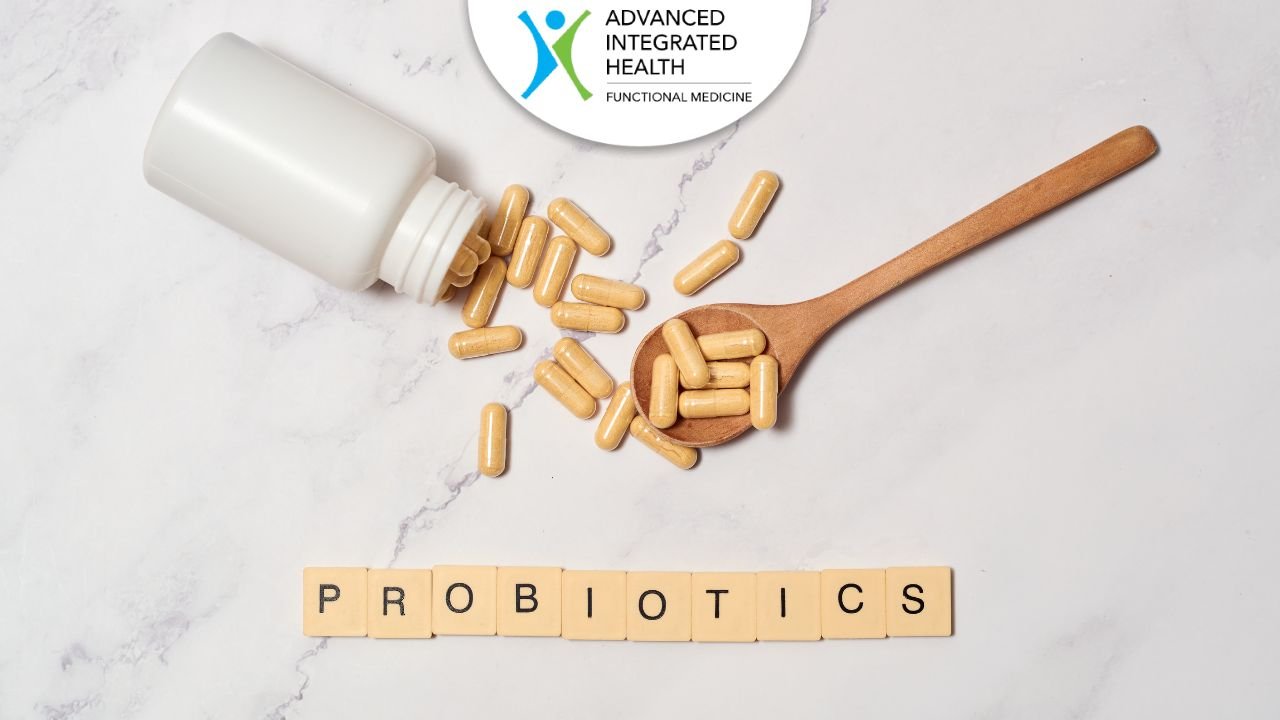
Multi-strain products with Lactobacillus and Bifidobacterium species are the most-studied. Food-form (yogurt, kefir, sauerkraut, kimchi) works too.
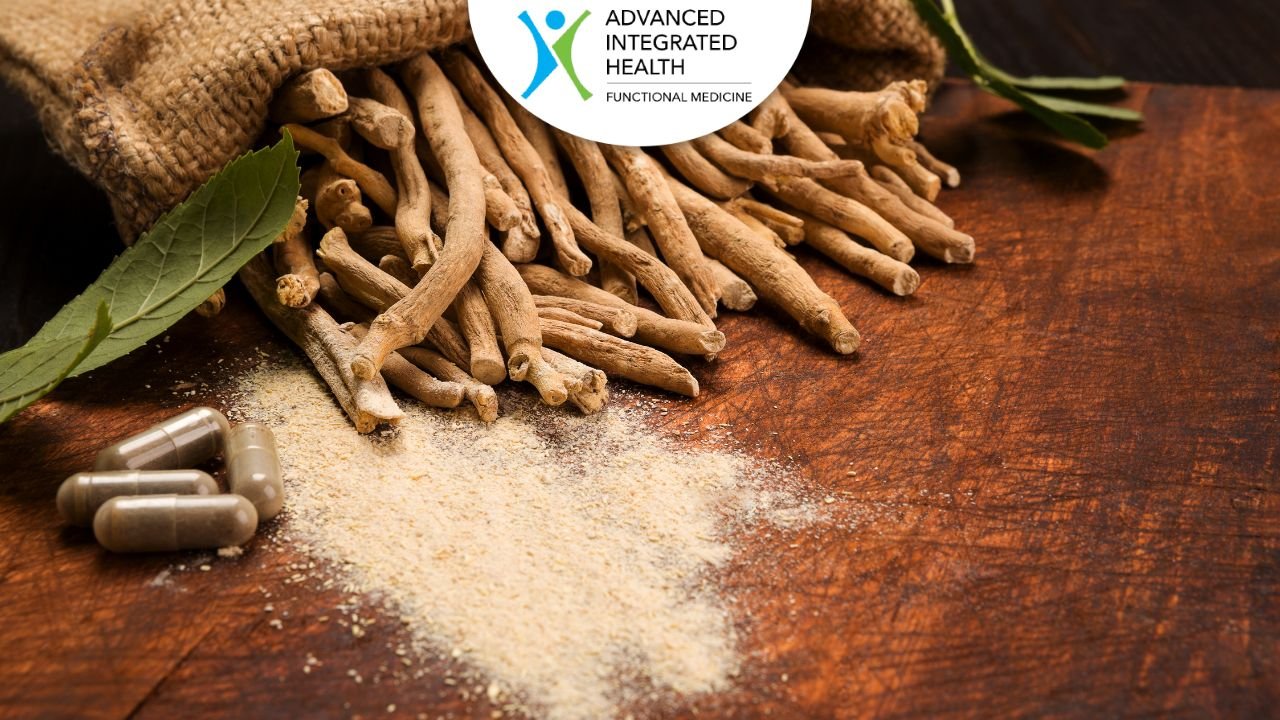
5. Ashwagandha (for the stress side, not directly for sex hormones)
This is where the internet gets sloppy. Ashwagandha is an adaptogen. It affects cortisol, sleep, and stress reactivity. It is NOT a direct estrogen or progesterone regulator. It helps hormone balance because chronic cortisol elevation crushes progesterone production and worsens perimenopausal symptoms. NIH ODS ashwagandha describes the evidence as preliminary but consistent for stress and sleep.
Standardized extract, 240 to 600 mg daily. Do NOT take in pregnancy. If you take thyroid hormone, talk to your clinician first; ashwagandha can shift free T4 and free T3 levels.
6. Chasteberry (Vitex agnus-castus)
Real evidence for premenstrual symptoms and cycle regularity, particularly for cycles with a short luteal phase. Works on the pituitary, which is why it comes with a specific set of cautions. NCCIH flags it as unsafe in pregnancy and warns against use with hormone-sensitive conditions.
Skip Vitex if you’re on hormonal birth control, HRT, or dopamine agonists (used for Parkinson’s or elevated prolactin). It also isn’t the right herb during pregnancy or breastfeeding.
7. Black Cohosh (menopause, with a serious safety note)
The most-studied herb for hot flashes and night sweats. Also the herb with the most documented safety concern on this list. NCCIH notes reported cases of liver injury, some serious, with black cohosh use, though a causal link is unclear.
If you take it: use it short term (six months or less), don’t combine with other liver-taxing supplements or medications, and stop immediately if you notice yellowing skin or eyes, dark urine, or unexplained abdominal pain. Skip it entirely if you have liver disease.
Also worth knowing: the North American Menopause Society 2023 nonhormone therapy position statement concluded the current evidence does NOT recommend black cohosh as a first-line nonhormone treatment for hot flashes. The stronger evidence is for prescription options (paroxetine, gabapentin, oxybutynin, fezolinetant) and cognitive behavioral therapy.
8. DIM (Diindolylmethane)
Comes from cruciferous vegetables. Shifts estrogen metabolism toward the safer 2-hydroxy pathway rather than the 4-hydroxy or 16-hydroxy paths. Popular for estrogen dominance patterns and cystic acne.
Skip in pregnancy. Talk to your oncologist before starting if you have a hormone-sensitive cancer history. Food-form (cruciferous vegetables cooked briefly) is safe for almost everyone and hits the same pathway.
Safety Table (Bookmark This)
The specific safety concerns for each of the eight, in one place.
| Supplement | May help | Skip or check with a clinician if | Notable interactions |
| Vitamin D | Low mood, fatigue, immune, bone | You take high-dose calcium; test 25-OH-D first to dose correctly | Thiazide diuretics (raises calcium) |
| Magnesium | PMS, sleep, cramps, stress | Kidney disease (can build up) | Some antibiotics and osteoporosis meds; separate by 2 hours |
| Omega-3 (EPA/DHA) | Inflammation, mood, cardiovascular | You take blood thinners; talk to your clinician first | Warfarin, aspirin, other anticoagulants |
| Probiotics | Gut health, estrogen recycling, menopause symptoms | You are immunocompromised; ask your clinician first | Rare; food-form generally very safe |
| Ashwagandha | Stress, cortisol, sleep | Pregnancy; hyperthyroidism; you take thyroid hormone | Thyroid meds, sedatives, immunosuppressants |
| Chasteberry (Vitex) | PMS, cycle regularity | You use hormonal birth control or HRT; pregnancy; hormone-sensitive cancer history | Hormonal contraceptives, HRT, dopamine agonists |
| Black Cohosh | Hot flashes, night sweats | Liver disease; on hepatotoxic meds; unexplained abdominal pain or yellowing skin (stop immediately) | Statins, methotrexate, other liver-processed drugs |
| DIM | Estrogen metabolism support | Pregnancy; hormone-sensitive cancer without oncologist input | Hormonal medications; may alter estrogen pathway balance |
What Gets Recommended a Lot but Doesn’t Hold Up
A few honest calls on things you’ll see repeated in every listicle:
- Maca root. Popular. Studies exist. Most are small and industry-funded. Won’t hurt you if you like the smell, but the evidence for measurable hormone effects is thin.
- Zinc for female hormones specifically. Zinc is important for the immune system, wound healing, and taste. The claim that it ‘balances female hormones’ is stretched from the fact that it supports testosterone production. Fine at food doses, no reason to megadose.
- Evening primrose oil for hot flashes or PMS. Multiple trials have shown no difference vs placebo.
- Wild yam creams marketed as ‘natural progesterone.’ The body cannot convert wild yam to progesterone. If you need progesterone, ask for actual bioidentical progesterone through a clinician.
- Any product marketed as ‘female hormone balance blend’ with 15 herbs at unlabeled doses. If they wanted you to know the doses, they’d list them.
When It Isn’t a Supplement Problem
Chronic hormone symptoms often trace to something more testable than a supplement gap.
- Subclinical hypothyroidism. Missed by many standard panels. Look at TSH, free T4, free T3, reverse T3, and TPO/TgAb antibodies together.
- Insulin resistance. Very common in PCOS and perimenopause. Fasting insulin, HbA1c, and a 2-hour glucose tolerance test can catch what a single fasting glucose misses.
- Cortisol dysregulation. Chronic stress bleeds progesterone production. A 4-point saliva or urine cortisol maps the pattern.
- Iron deficiency. Low ferritin can cause fatigue, hair loss, and mood shifts that look exactly like hormonal problems.
- Starts as early as the mid-30s for some women. Progesterone drops first, estrogen becomes erratic, and both changes show up years before periods stop.
If your thyroid is the one under-diagnosed piece, our article on Hashimoto’s root causes covers the autoimmune pattern that drives most subclinical hypothyroidism in women. If mood is the leading symptom, our anxiety and depression page walks through the root-cause angle. If you’re in the menopause transition specifically, our menopause page covers the full workup.
For any of these, a proper functional lab workup tells you what’s actually happening before you spend money guessing.
FAQs
What is the best supplement for female hormone balance?
There isn’t a single best. For most women, Vitamin D, Magnesium, and Omega-3 are the safest, best-evidenced starting points. The right herbal add-on depends on the specific symptom pattern and what medications you’re already on. Test first, then choose.
Can hormone supplements replace HRT?
Sometimes for mild-to-moderate symptoms, especially early in the menopause transition. For severe hot flashes, night sweats, or urogenital symptoms, hormone replacement therapy is more effective than any supplement. The 2023 NAMS position statement lays out where nonhormone options are appropriate and where they aren’t.
How long before I feel a difference?
Vitamin D and magnesium: 2 to 4 weeks for symptom shifts, 3 months to change lab values meaningfully. Herbal adaptogens like ashwagandha: 4 to 8 weeks. Chasteberry: at least 3 months for cycle effects. If nothing has shifted in 3 months, it’s probably not going to.
Is it safe to take multiple hormone supplements at once?
Vitamin D + Magnesium + Omega-3 + a probiotic is a low-risk stack for most women. Adding two or more herbal hormone modulators (Vitex + Ashwagandha + Black Cohosh at the same time) is where interactions and unexpected effects show up. Layer one at a time, at least four weeks apart, so you can tell what’s doing what.
Bottom Line
Start with the boring stuff. Vitamin D, magnesium, omega-3, and a decent probiotic will move the needle for most women and won’t send you to a hepatologist.
Layer in one herb at a time only after you know your labs, your medications, and your risk factors. Skip the marketing blends.
And if you’ve been supplementing for months without a clear improvement, stop guessing and get the labs done. Book a consultation if you want help interpreting them and building a plan that fits your specific pattern.
Sources
National Institutes of Health, Office of Dietary Supplements. Vitamin D: Fact Sheet for Health Professionals.
https://ods.od.nih.gov/factsheets/VitaminD-HealthProfessional/
National Institutes of Health, Office of Dietary Supplements. Magnesium: Fact Sheet for Health Professionals.
https://ods.od.nih.gov/factsheets/Magnesium-HealthProfessional/
National Institutes of Health, Office of Dietary Supplements. Omega-3 Fatty Acids: Fact Sheet for Health Professionals.
https://ods.od.nih.gov/factsheets/Omega3FattyAcids-HealthProfessional/
National Institutes of Health, Office of Dietary Supplements. Ashwagandha: Is it helpful for stress, anxiety, or sleep? Fact Sheet for Health Professionals.
https://ods.od.nih.gov/factsheets/Ashwagandha-HealthProfessional/
National Center for Complementary and Integrative Health, NIH. Chasteberry: Usefulness and Safety.
https://www.nccih.nih.gov/health/chasteberry
National Center for Complementary and Integrative Health, NIH. Black Cohosh: Usefulness and Safety.
https://www.nccih.nih.gov/health/black-cohosh
Shufelt CL, et al. The 2023 Nonhormone Therapy Position Statement of The North American Menopause Society. Menopause. 2023.
https://menopause.org/wp-content/uploads/professional/2023-nonhormone-therapy-position-statement.pdf
Andrews RAF, et al. Investigating the effects of probiotics during the menopause transition: A systematic review and meta-analysis. Clinical Nutrition ESPEN. 2025.
https://pubmed.ncbi.nlm.nih.gov/40639456/

Dr. Bob was born and raised in Florham Park, New Jersey.
He loved the philosophy of vitalism, which teaches about the incredible, innate intelligence of our bodies and its power to self-heal when given the opportunity.