

Personalized care plans offer a clear path forward for people facing mystery illnesses that don’t respond to standard treatments. By looking for root causes, using deeper testing, and adjusting care over time, these plans work to make sense of complex, multi-system symptoms that often feel confusing and overwhelming.
They’re especially valuable for the many chronic patients who never receive a clear diagnosis but still live with very real health challenges. If you’ve felt stuck, unseen, or unsure where to turn next, keep reading to see how personalized care can uncover hidden issues and support real, steady progress.
Key Takeaways
- Personalized care plans focus on understanding the underlying causes of symptoms, ensuring tailored approaches maximize treatment efficacy.
- Advanced testing methods reveal hidden biological stressors that conventional diagnostics often miss, guiding effective interventions.
- Ongoing monitoring and adjustments make these plans adaptable, empowering patients to navigate their health journeys.
Personalized Care Plans for Mystery Illnesses

Personalized care plans are designed to address unexplained illnesses using root-cause analysis and tailored interventions. They look closely at an individual’s health history, current symptoms, lifestyle, and environmental exposures. By doing this, they create a more complete picture of what may be affecting the body across multiple systems. The main goal is to provide a clear, organized framework to identify and treat the underlying drivers of unexplained conditions, not just manage the surface-level discomfort.
Many people live with chronic symptoms for years without a clear diagnosis. This can lead to frustration, worry, and a feeling of being stuck between appointments and opinions. According to the National Academies of Sciences, Engineering, and Medicine, “many patients with complex chronic conditions experience fragmented care and delayed diagnosis” (Dr. Harvey Fineberg).
Personalized care plans can help interrupt that pattern by offering a more integrative, functional medicine approach, a model that pays attention to how different body systems connect, instead of treating each symptom in isolation.
Why Conventional Pathways Fall Short
| Conventional Approach | Common Limitation | Impact on Patients |
|---|---|---|
| Symptom-based diagnosis | Focuses on individual organs or symptoms in isolation | Root causes remain unidentified, leading to repeated treatments |
| Standard lab testing | Narrow reference ranges miss subclinical imbalances | Early warning signs are overlooked |
| Fragmented care models | Lack of integration across systems and conditions | Overlapping or related issues go undiagnosed |
| Reactive treatment | Addresses problems only after symptoms worsen | Prolonged discomfort and delayed recovery |
Conventional medical practices frequently compartmentalize symptoms, leading to silos in diagnosis and treatment. This symptom-driven approach often fails to identify the interconnectedness of different health issues. Additionally, standard lab tests may have limited ranges, missing vital subclinical drivers that could provide insights into a patient’s condition. Such limitations may lead to prolonged suffering for those awaiting answers about their health.
- Symptom Silos: Doctors often focus on single organ systems, neglecting the broader context of the patient’s health.
- Limited Lab Ranges: Standard tests may overlook critical indicators, preventing a complete understanding of a patient’s health status.
- Missed Connections: Overlapping conditions often go undiagnosed, leaving patients searching for explanation and relief.
How Does a Diagnostic Deep Dive Uncover Hidden Drivers?
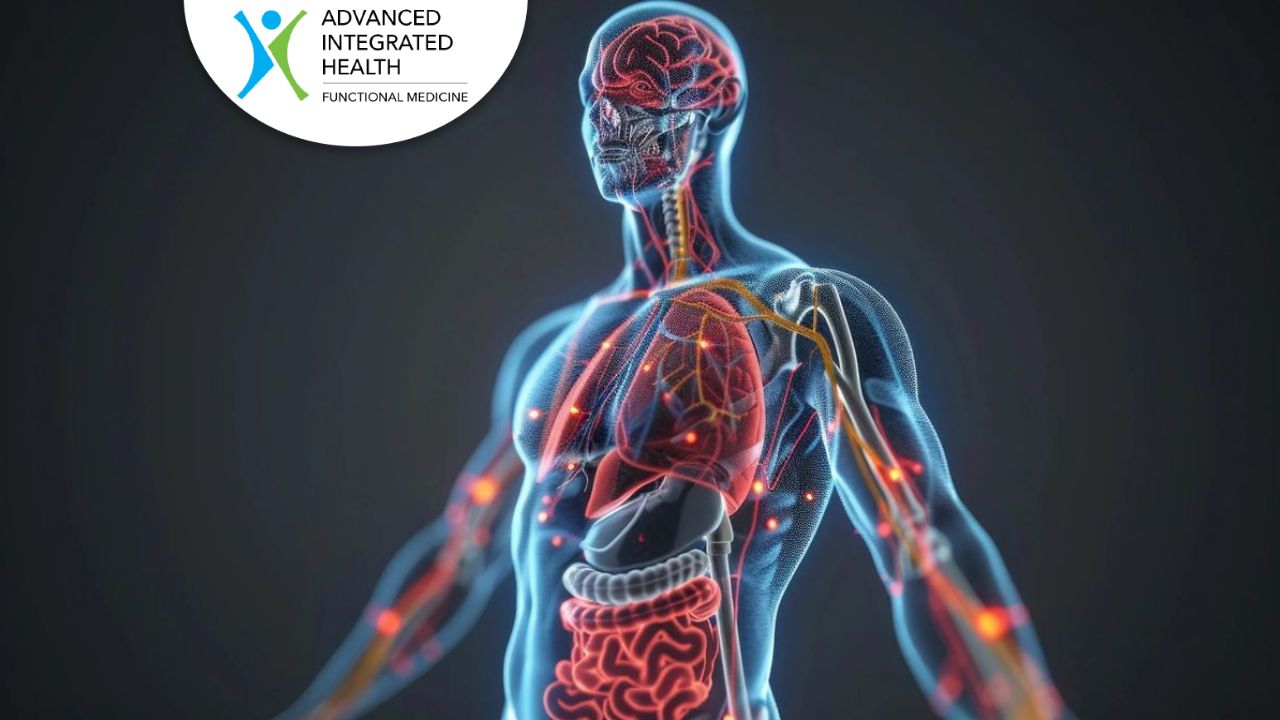
A diagnostic deep dive is a careful, step-by-step way of understanding what’s putting stress on the body and how that stress has built up over time. Instead of only looking at single test results or one symptom, it pulls together your health history, daily habits, and environment to find patterns that might explain why you feel unwell.
One key part of this process is mapping a detailed timeline. This means tracking when symptoms started, what was happening in your life at that time, and how those symptoms have changed. Stress levels, infections, major life events, sleep changes, and new medications can all be important clues. Alongside that, we look closely at diet, digestion, energy, mood, and environmental exposures, such as mold, chemicals, or workplace conditions.
Key Factors in Assessing Mystery Illnesses:
- Patient-Centered Timelines: Patients provide a detailed history that reveals when symptoms began and what potential triggers exist.
- Wearable Technologies: Devices like Heart Rate Variability (HRV) trackers help us understand autonomic patterns and sleep quality, crucial for diagnosing and managing conditions.
- Advanced Lab Categories:
- Microbiome Assessments: Investigating gut health through stool analyses can unveil dysbiosis and infections like SIBO.
- Organic Acids Testing: This type of testing reveals mitochondrial and nutrient markers, helping identify metabolic dysfunctions.
- Hormonal and Toxicity Panels: Analyzing hormone levels and toxin exposure, including heavy metals and environmental chemicals, offers a deeper understanding of a patient’s condition.
- Genomic Evaluations: Genetic assessments help determine detoxification capabilities and predispositions to various conditions.
Through this layered diagnostic process, we can identify up to 80% of the hidden factors contributing to an individual’s complex health issues.
Which Root Causes Are Most Common in Mystery Illnesses?
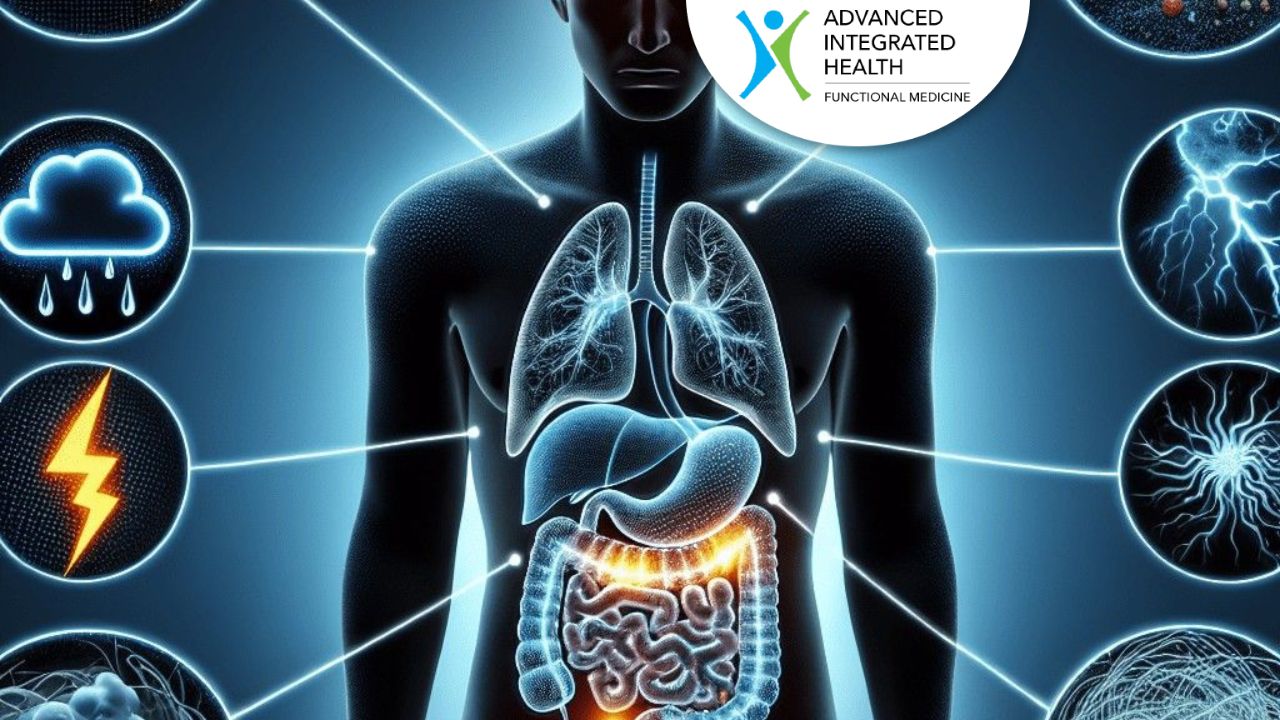
Many mystery illnesses can be linked to a mix of underlying factors rather than a single cause. This root-cause lens reflects the principles of functional medicine care and integrative foundations, where symptoms are viewed as signals rather than isolated problems. Three patterns show up often: gut dysfunction, chronic or past infections, and ongoing exposure to toxins in someone’s home, work, or environment. These drivers can interact, which makes the picture more complex and harder to recognize in a quick visit or with basic testing.
Gut dysfunction can involve issues like poor digestion, changes in the gut barrier, or shifts in the gut microbiome. These changes may affect nutrient absorption, immune balance, and inflammation throughout the body, not just in the digestive tract. Chronic infections, whether active or lingering effects of past infections, can place constant stress on the immune system and contribute to fatigue, pain, and brain fog.
Common Root Causes:
- Gastrointestinal Issues: Dysbiosis, an imbalance in gut bacteria, can significantly impact overall health and function.
- Chronic Infections: Many patients harbor persistent infections like Epstein-Barr Virus, which often go unnoticed but contribute to ongoing symptoms.
- Toxin Burden: Exposure to environmental toxins, such as mold and heavy metals, may trigger or exacerbate underlying health problems.
- Nervous System Dysregulation: Stress or autonomic nervous system imbalances can also contribute significantly to the clinical picture.
Understanding these root causes is essential, as addressing them opens the door to effective treatment pathways.
How Are Care Plans Personalized Across Body Systems?
Personalized care plans are implemented systematically, incorporating protocols that remove triggers, restore health, and rebalance bodily systems. This structured process mirrors how functional medicine services for personalized healing are designed, using individual data to ensure care aligns with each patient’s unique biological and cognitive context.
- Remove Offenders: This phase focuses on eliminating dietary allergens and microbial organisms that may contribute to symptoms. Common strategies include the AIP diet, which excludes grains, dairy, and nightshades while utilizing specific antimicrobials.
- Restore Foundations: Nutritional support plays a vital role in gut health restoration, with L-glutamine, collagen peptides, and IV nutrients being examples to help seal gut barriers and correct deficiencies.
- Rebalance Systems: Hormonal, immune, and mitochondrial support are provided based on patient needs, employing bioidentical hormones or low-dose naltrexone for symptom management.
The sequencing of interventions enables a thorough foundation for improving health outcomes. Each aspect is guided by individual assessments tailored to personal health histories.
What Advanced Integrated Therapies Are Used When Basics Are Insufficient?
Advanced therapies may be necessary when traditional nutritional, lifestyle, and dietary changes fail to produce desired results. These integrated strategies support healing in complex cases resistant to standard approaches.
Advanced Modalities Include:
- Peptides and Neuromodulatory Tools: Peptides can support tissue repair, while therapies like photobiomodulation enhance recovery.
- Hyperbaric Oxygen Therapy: Administered at pressures of 1.5 ATA, this therapy improves oxygenation and supports healing processes in compromised tissues.
- Frequency Therapies: These modalities, such as PEMF (Pulsed Electromagnetic Field) therapy, can support mitochondrial function and pain reduction.
Identifying when to escalate care is critical when symptoms exhibit multi-system involvement or chronic relapsing patterns.
How Are Progress and Flares Monitored Over Time?
Monitoring progress over time is essential to assess the effectiveness of care plans for mystery illnesses. This level of tracking is often overseen by a functional medicine doctor in Springfield who evaluates both subjective feedback and objective data to guide timely adjustments.
- Symptom Scoring: Patients regularly evaluate pain, fatigue, and cognitive functioning using a 0-10 scale, aiding healthcare providers in understanding changes.
- Monthly Labs: Regular lab evaluations help identify shifting health markers that necessitate protocol adjustments.
- Phased Testing: Food and activity reintroductions are systematically managed to test tolerance, allowing for gradual reintegration of previous dietary and lifestyle practices.
This ongoing iteration creates a feedback loop that leads to optimized care and tailoring of treatment plans to the current health status of each individual.
What Outcomes Can Patients Expect From Personalized Care Plans?
Patients engaging with personalized care plans can generally anticipate meaningful symptom reduction, with many experiencing significant improvements in quality of life. Depending on the complexity of their conditions and adherence to treatment recommendations, a varied range of outcomes is achievable.
Symptom Reduction
Research suggests that around 80% of patients in personalized care protocols experience at least a 50% reduction in their symptoms. That’s not just a number on a chart; it can mean having more energy to work, take care of family, or simply make it through the day without feeling overwhelmed. As symptoms ease, many people report better sleep, clearer thinking, and a more stable mood, which all support a stronger sense of well-being.
Full Resolution for Specific Conditions
For some conditions, such as Lyme disease and chronic mold-related illness, personalized and sustained care can sometimes lead to full resolution of symptoms. When that happens, patients may regain physical and cognitive abilities they had lost over time, like walking longer distances, returning to work or school, or tolerating environments that once made them feel sick. This kind of recovery can have a lasting effect on long-term health, not just in the body, but in daily confidence and stability.
Empowerment Through Self-Monitoring
Another key benefit is what patients learn about their own bodies along the way. Many begin to track their symptoms, triggers, sleep, nutrition, and stress patterns more closely. Over time, this builds practical skills in self-monitoring and self-advocacy. That kind of awareness can make it easier to catch early warning signs, adjust routines, and stay more resilient when new health challenges come up, especially with complex or previously unexplained conditions.
The path to understanding and easing mystery illnesses is rarely simple or quick, but it doesn’t have to be directionless. With individualized care plans, patients move through a clear framework that supports steady, meaningful progress, and in many cases, real and lasting change.
Frequently Asked Questions
How do personalized care plans help people with mystery illnesses get real answers?
Personalized care plans start with an undiagnosed chronic illness protocol focused on root cause analysis. Providers use patient history timelines, mystery symptoms functional assessment, and symptom clustering to guide next steps. Advanced diagnostic panels, functional lab interpretation, and systems biology help explain why symptoms connect instead of treating each issue separately.
What tests are used to investigate undiagnosed or complex chronic symptoms?
Care plans often use integrated diagnostic panels such as comprehensive blood panels, stool PCR pathogen detection, organic acids OAT testing, DUTCH hormone mapping, and food sensitivity MRT testing. Genetic SNP methylation analysis, zonulin leaky gut markers, hsCRP, ESR, and ANA nuclear antibodies help identify inflammation, immune activity, and detox challenges.
How does gut health influence mystery illnesses and unexplained symptoms?
The microbiome gut-brain axis plays a major role in unexplained illness. Plans may include SIBO eradication sequences, dysbiosis restoration phases, and gut healing protocols for mystery cases. Stool testing, DAO histamine intolerance markers, and anti-inflammatory diet customization help reduce symptom triggers linked to digestion, immunity, and neurological signaling.
Why are lifestyle and stress factors included in personalized treatment plans?
Lifestyle modification plans address stress adaptation strategies, adrenal cortisol curves, and HPA axis rebalancing. Care often includes sleep optimization cycles, circadian rhythm resets, vagus nerve toning exercises, HRV biofeedback training, and mindfulness practices. These steps support nervous system regulation and improve resilience during long diagnostic journeys.
How do care plans adapt over time for ongoing or rare conditions?
Personalized plans evolve using progress milestone tracking, wearable biomarker tracking, and remote symptom logging. Multidisciplinary care teams adjust protocols through adaptive plan modifications, outcome measure validation, and quality of life assessments. Patient empowerment education and self-healing capacity building ensure long-term support, even when diagnoses remain unclear.
Finding Clarity and Direction with Personalized Care
Sometimes the hardest part of a mystery illness is feeling like no one sees the full picture. Personalized care plans are designed to change that. Through detailed testing, focused treatment options, and consistent follow-ups, this approach creates a clearer, more organized path through confusing or lingering symptoms. Instead of chasing individual issues in isolation, it looks at your health as a whole to improve how you feel day to day, not just what appears on a lab report.
If you’ve been living with undiagnosed symptoms and feel stuck or overlooked, you don’t have to navigate it alone. A personalized care plan may help you uncover clearer answers and regain a sense of control over your health. To explore what that could look like for you, you can schedule a health consultation with Advanced Integrated Health, where functional medicine, integrative care, and root-cause treatment come together to support your unique needs.

Dr. Bob was born and raised in Florham Park, New Jersey.
He loved the philosophy of vitalism, which teaches about the incredible, innate intelligence of our bodies and its power to self-heal when given the opportunity.