
The functional medicine patient journey is a structured path designed to address chronic health issues by identifying root causes rather than merely treating symptoms. This journey begins with an extensive onboarding process, including detailed patient histories and symptom assessments.
As patients progress through various phases, they experience tailored interventions and continuous monitoring aimed at restoring health and vitality. Ultimately, this approach seeks to empower patients in their long-term wellness.
Keep reading to learn about each phase of this comprehensive health experience.
Key Takeaways
- The functional medicine approach focuses on personalized care, emphasizing root-cause analysis.
- Each phase of the journey involves detailed assessments and tailored interventions.
- Ongoing monitoring and support empower patients to take charge of their health.
Phase 1: Awareness and Intake

The functional medicine patient journey starts with awareness and intake, which typically occurs over the first two weeks. Patients often come in feeling overwhelmed after being let down by conventional medicine. They may experience unresolved fatigue, undiagnosed autoimmune issues, or persistent symptoms without clear explanations.
Understanding the Patient’s Story and Health History
The functional medicine patient journey begins with awareness and intake, typically taking place over the first two weeks. Many patients arrive feeling overwhelmed after conventional medicine has failed to provide clear answers. Common concerns include unresolved fatigue, undiagnosed autoimmune conditions, or persistent symptoms without a clear cause.
During this phase, an in-depth consultation lasting 60 to 120 minutes allows practitioners to listen closely to the patient’s story. A comprehensive health history and symptom timeline are gathered to understand how symptoms developed and progressed over time, including:
- Onset and progression of current symptoms
- Past diagnoses, treatments, and responses
- Lifestyle factors such as sleep, nutrition, stress, and activity levels
- Significant life events or health-related turning points
Comprehensive Intake and Foundation for Personalized Care
Patients complete detailed questionnaires that score symptoms, helping to objectively identify patterns and priorities. Medical records are uploaded and reviewed to provide additional clinical context. Using this information, practitioners begin mapping the patient timeline by examining:
- Possible biological and environmental triggers
- Patterns related to stress, infections, or toxic exposures
- Family health history and inherited risk factors
This process gives patients clarity about their health challenges and creates a sense of empowerment. The insights gained during intake form a strong foundation for the next phase, where deeper diagnostic analysis begins.
Phase 2: Advanced Diagnostic Investigation
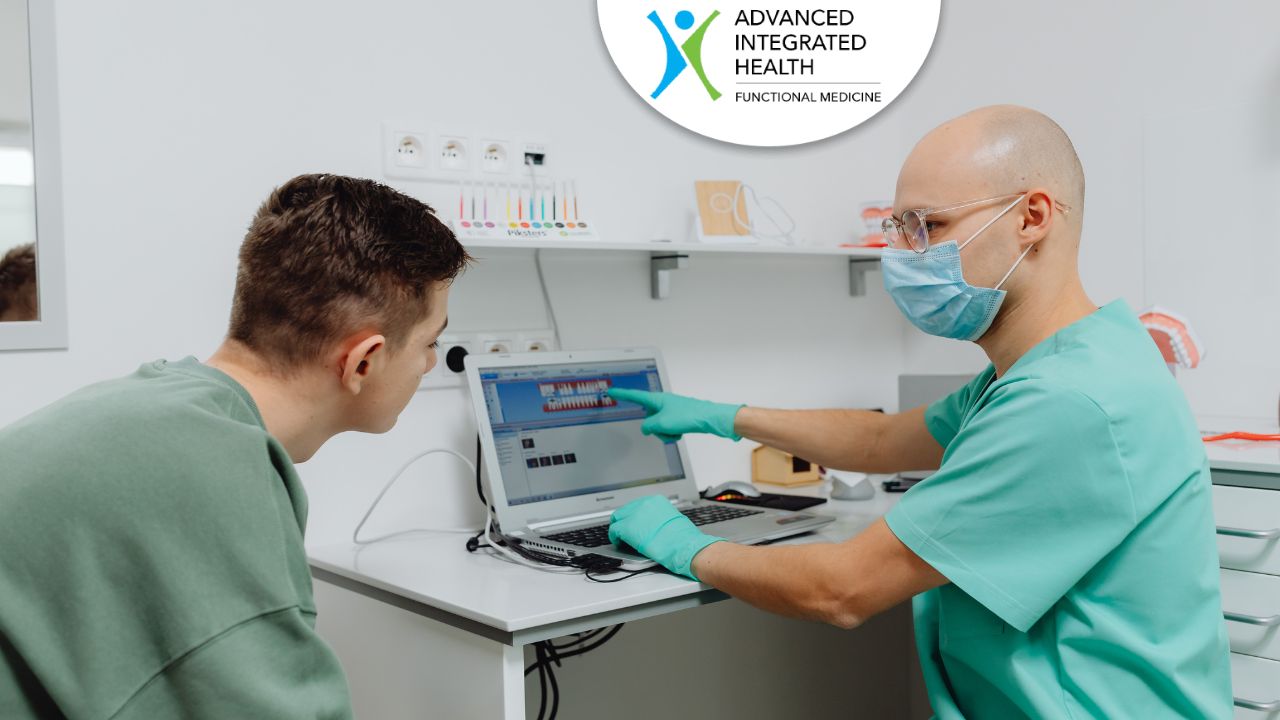
In the second phase, we focus on advanced diagnostic investigations to understand the root causes of health issues. We order targeted functional labs based on the patient history we gathered during the intake phase. These tests may include GI-MAP for gut health evaluation, DUTCH hormone testing for adrenal and sex hormone patterns, and organic acids testing for mitochondrial health.
The results from these tests arrive within a few weeks, and we review them thoroughly. We use systems biology matrices to analyze how different factors interact within the body. For instance, we might discover that high levels of endotoxins are contributing to hormonal imbalances.
As we synthesize the data, patients receive a personalized report outlining their root causes. This helps prioritize interventions we’ll use in treatment. This phase allows patients to gain a deeper understanding of their health, and it prepares them for the coming personalized intervention roadmap.
Phase 3: Personalized Intervention Roadmap

After establishing the root causes, the third phase focuses on creating a personalized intervention roadmap grounded in functional medicine care and integrative foundations. This phase typically spans a few months and begins with clear, structured protocols designed to address the body’s most foundational systems first.
Designing Targeted, Step-by-Step Treatment Protocols
After establishing the root causes, the third phase focuses on creating a personalized intervention roadmap. This phase typically spans a few months and begins with clear, structured protocols tailored to the individual.
Interventions are deployed pyramidally, starting with foundational systems such as gut health. For example, a Gut 4R protocol may be introduced, which can include:
- Eliminating foods and environmental triggers
- Supporting and repairing the gut lining
- Rebalancing the microbiome with targeted probiotics
- Adjusting nutrition to match individual needs
Active Patient Engagement and Ongoing Care Optimization
Throughout this phase, functional medicine services for personalized healing emphasize active patient participation rather than passive compliance. Patients carry out their care plans with consistent guidance and regular check-ins, allowing clinicians to track responses and make data-informed adjustments.
- Regular follow-up consultations and progress reviews
- Symptom tracking through journals or digital tools
- Monitoring treatment tolerance and potential side effects
- Making timely adjustments based on patient feedback and data
Open communication is encouraged to strengthen the therapeutic partnership. This collaborative, data-informed approach supports sustainable improvements and empowers patients to take an active role in their long-term health.
Phase 4: Monitoring and Optimization
| Monitoring Element | Frequency | What Is Evaluated | Optimization Action |
|---|---|---|---|
| Symptom journal review | Ongoing (daily tracking) | Changes in fatigue, pain, digestion, and mood | Adjust lifestyle or supplement protocols |
| Biweekly check-ins | Every 2 weeks | Overall response to interventions | Refine dosage, timing, or focus areas |
| Follow-up lab testing | Every 8–12 weeks | Biomarker shifts and system balance | Modify treatment based on objective data |
| Food reintroduction phase | Gradual, phased | Individual food tolerance | Personalize a long-term nutrition plan |
| Progress benchmarks | Month 2–3 | 30–50% symptom improvement | Continue, scale, or redirect strategy |
The fourth phase of the journey involves ongoing monitoring and optimization, critical for ensuring successful outcomes. As patients progress through treatments, we encourage them to keep symptom journals, providing valuable insights into their health. Through biweekly check-ins and retesting, we can assess how well previous interventions are working. For example, by the second or third month, we might expect to see a 30-50% reduction in fatigue or pain. If patients aren’t responding as anticipated, we adjust the interventions.
Phased food reintroductions also occur during this time, allowing us to assess tolerances. This process fosters proactive self-advocacy: patients learn to recognize how specific foods impact their well-being. As we optimize their plans, patients begin to see positive shifts. They feel increasingly empowered by understanding their health conditions.
Phase 5: Maintenance and Thriving
The final phase reflects why choose functional medicine over conventional models that often stop once symptoms are controlled. Here, the focus shifts to maintaining progress and supporting long-term resilience, typically six months or more after beginning care.
At this point, we help patients master their personalized health plans by reinforcing sustainable habits, including:
- Maintaining a balanced, individualized nutrition plan
- Staying consistently active in ways that support their lifestyle
- Using stress-management and recovery strategies learned earlier
- Engaging with community resources or support groups for accountability
The ultimate goal is to ensure patients sustain their gains over the long term. They become adept at using the tools and techniques learned during their journey, which fosters a sense of independence regarding their health. This phase effectively transforms patients from passive recipients of care into active partners, equipped to manage their health proactively.
Frequently Asked Questions
What happens during the functional medicine intake phase?
The functional medicine intake phase starts with new patient packet completion and detailed questionnaires. Doctors use patient history timeline mapping, symptom chronology construction, and medical records reconciliation. Lifestyle factor prioritization, environmental exposure assessment, and family health patterns analysis help form a full picture. Questionnaire symptom scoring feeds into early systems biology matrix framework insights.
How does the discovery visit shape the patient journey?
The discovery visit consultation focuses on narrative medicine storytelling and patient illness narrative capture. Practitioners review the functional medicine timeline tool and antecedent trigger mediator quadrant. This visit builds a therapeutic partnership and trust. Core clinical imbalances grouping helps the doctor explain how symptoms connect and what areas need deeper investigation.
Why are advanced labs ordered early in care?
Pre-visit lab ordering allows faster root cause hypothesis formulation. Common tests include a comprehensive blood panel review, stool analysis, microbiome mapping, organic acids metabolomics, OAT, DUTCH hormone profiling, and complete food sensitivity MRT LEAP testing. Genetic SNP nutrigenomic analysis and toxin screening support accurate clinical imbalance prioritization before treatment planning begins.
How is a personalized care plan created and used?
Personalized care plan design follows the intervention sequencing protocol. Doctors customize dietary templates, targeted supplement dosing, detoxification pathway support, and stress management tiered strategies. Sleep hygiene optimization plans, movement exercise prescriptions, and mind-body practice integration are added. Patient education materials creation helps activate the implementation phase smoothly.
What happens after treatment begins and progresses?
During the implementation phase activation, patients receive adherence coaching sessions and follow-up visit scheduling. Progress tracking biomarkers, symptom journal digital logging, HRV heart rate variability monitoring, and wearable device data integration guide protocol adjustment refinement. Phase 3 ongoing management focuses on relapse prevention strategies and long-term wellness sustainability.
A Personalized Path to Long-Term Healing and Wellness
The functional medicine patient journey is a clear, step-by-step process that focuses on you as an individual, not just your diagnosis. Through each of the five phases, awareness and intake, diagnostic investigation, personalized interventions, ongoing monitoring, and maintenance, the goal is to uncover root causes and support your body’s natural ability to heal. This approach goes beyond short-term symptom relief, helping create long-term health, balance, and stability.
Patients often finish this journey with fewer symptoms, a clearer plan, and a deeper understanding of how to care for their health moving forward. They are not only treated, but also empowered with the knowledge needed to maintain lasting progress. If you’re ready to explore this personalized approach to care, a health strategy session with Advanced Integrated Health can be the first step toward a more informed and sustainable path to wellness.

Dr. Bob was born and raised in Florham Park, New Jersey.
He loved the philosophy of vitalism, which teaches about the incredible, innate intelligence of our bodies and its power to self-heal when given the opportunity.